

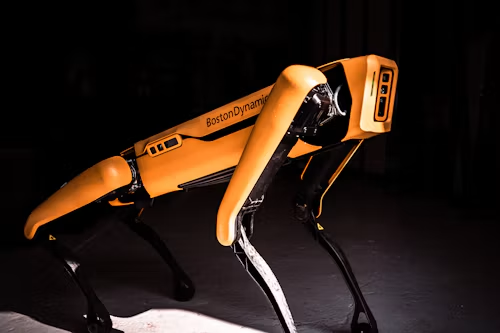
Engineering is more than calculations, technical drawings, and complicated machinery. It is an exciting opportunity to explore ideas, solve problems, and create things that make everyday life better. Robotics makes engineering especially interesting by allowing students, hobbyists, and professionals to turn creative concepts into working machines.
Robot components play an important role in this process, providing the essential building blocks needed to design, construct, and operate different robotic systems. From motors and sensors to gears and controllers, these components make hands-on engineering both educational and enjoyable.
1. Turn Creative Ideas Into Real Working Robots
One of the most exciting aspects of robotics is the ability to transform imagination into something tangible. Robot components allow students and engineers to experiment with different designs and build machines that perform specific tasks.
Structural frames, brackets, wheels, motors, and fasteners provide the foundation for creating robotic systems. Instead of simply learning engineering concepts from textbooks, individuals can assemble components, test their designs, and observe how different parts work together.
Whether building a small mobile robot, a robotic arm, or a competition-ready machine, having suitable components makes the engineering process more interactive and rewarding.
2. Make Learning About Motion and Mechanics Exciting
Motion components introduce important mechanical engineering principles through practical experimentation. Motors, gearboxes, bearings, belts, pulleys, and wheels help robots move, rotate, lift, and transport objects.
Students can explore how changing gear ratios affects speed and torque or how different wheel designs influence movement and traction. These experiments make technical concepts easier to understand because learners can see the results immediately.
Linear actuators and guide rails also introduce students to controlled linear movement, which is commonly used in industrial automation and advanced robotic mechanisms.
3. Explore Programming and Electronics Through Interactive Projects
Robotics combines mechanical engineering with electronics and computer programming. Components such as sensors, controllers, motor drivers, and wiring help students understand how robots receive information and respond to commands.
For example, a robot equipped with distance sensors can detect obstacles and change direction automatically. Another project might use light sensors to follow a particular path.
These activities make programming more engaging because students can immediately observe how their code affects a physical machine. They also develop valuable skills in logical thinking, troubleshooting, and automation.
4. Encourage Teamwork Through FIRST Robotics Projects
FIRST Robotics programs provide excellent opportunities for making engineering enjoyable through teamwork and competition. Students collaborate to design, build, program, and test robots that complete specific challenges.
Robot components help teams divide projects into manageable tasks. Some students can work on drivetrain systems, while others focus on mechanical structures, electrical connections, programming, or specialized mechanisms.
Using suitable components allows teams to experiment with innovative solutions and improve their robot designs. Students also develop communication, leadership, and project management skills while working toward shared objectives.
5. Build Confidence Through Experimentation and Problem-Solving
Engineering involves testing ideas, discovering mistakes, and finding better solutions. Robot components make this learning process practical by allowing individuals to modify designs and observe how changes affect performance.
If a robot moves too slowly, students can investigate motor specifications and gear ratios. If a mechanism lacks stability, they can experiment with structural supports, bearings, or different mounting arrangements.
These experiences teach an important lesson: successful engineering is rarely achieved through the first design. Continuous testing and improvement help learners become more confident, creative, and independent problem-solvers.