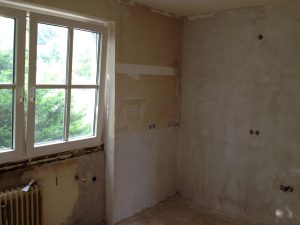



Finding a house with good bones and hidden potential can feel like discovering a rare treasure. Instead of paying top dollar for someone else’s taste, you get to shape the space exactly how you want it. Yet, the road from a tired fixer-upper to a dream home is paved with hidden surprises.
Evaluating house for remodeling potential takes more than just a quick walk through with rose-colored glasses. You need to look past peeling wallpaper and dated carpets to see the structural reality underneath. This guide walks you through the essential checkpoints so you can buy with confidence and avoid costly surprises.
Das Fundament und die Bausubstanz prüfen
Before you dream about kitchen layouts or open-concept living rooms, look down at the foundation and up at the roof. These structural elements form the skeleton of the house. Fixing a sagging roof or a cracked foundation drains your renovation budget faster than almost anything else. Bring an expert along if you spot any warning signs.
Take a close look at these critical structural components during your walkthrough:
- Check the basement or crawlspace for dampness, mold, and visible cracks in the concrete or stonework. Water intrusion often points to poor exterior drainage or failing waterproofing membranes, which require expensive excavation and French drains to fix properly. Always check the corners where walls meet the floor, as this is where hydrostatic pressure pushes moisture inward first.
- Inspect the roof from the outside for missing shingles, sagging ridges, or damaged chimneys that need immediate replacement. A roof nearing the end of its lifespan will cost thousands to replace before you can even begin interior cosmetic updates. Pay special attention to moss accumulation and flashing around skylights, as these are common entry points for destructive leaks.
- Look at the exterior walls for major shifting or large structural cracks that might indicate soil settlement issues. Diagonal cracks wider than a pencil usually signal serious foundation movement that demands a structural engineer’s assessment. Keep in mind that external brick walls showing bowing or leaning require urgent stabilization measures before any interior remodeling can safely take place.
Haustechnik und veraltete Leitungen
Old houses charm us with their character, but their behind-the-scenes systems often spell trouble. Electrical wiring, plumbing pipes, and heating systems wear out over time. Upgrading these systems is rarely glamorous, but it is necessary for safety and modern living standards.
Rewiring an entire house or replacing cast-iron pipes requires opening up walls and floors. If you evaluate a house for remodeling potential, budget generously for these invisible upgrades. An outdated electrical panel with fuse boxes instead of modern breakers is a clear sign that a complete electrical overhaul waits in your future. Old cloth-insulated or knob-and-tube wiring can even be a fire hazard and might prevent you from getting home insurance until it is entirely replaced. Furthermore, modern kitchens and home offices demand heavy electrical loads, meaning older services rated at 60 or 100 amps must typically be upgraded to 200 amps to handle today’s appliances and electric vehicle chargers.
Similarly, inspect the plumbing system for galvanized steel pipes, which tend to rust from the inside out and drastically reduce water pressure. Replacing them with modern copper or PEX piping is labor-intensive because it involves cutting into drywall and plaster throughout the entire building. If the home uses an older septic system instead of municipal sewage lines, have a professional conduct a thorough tank and drain field inspection to avoid catastrophic failures.
Raumaufteilung und Grundriss optimieren
Cosmetic changes like paint and flooring are easy to fix, but a bad floor plan is much harder to change. Think about how you actually live day to day. Does the kitchen flow into the dining area? Are the bedrooms clustered together or spread awkwardly across different levels?
When assessing the layout, pay attention to which walls actually hold the house up. Removing a non-load-bearing partition wall is a straightforward weekend project that instantly opens up cramped, dark rooms. Tearing down a primary load-bearing wall requires steel beams, temporary supports, permits, and professional engineering help, which drives up costs quickly. Additionally, consider window placement and natural light. Adding new window openings to a solid brick exterior wall is significantly more complex and expensive than doing so in a wood-frame structure. Think about traffic flow patterns, too; walking through a bedroom to reach a bathroom creates severe privacy issues that can only be resolved through major spatial reconfigurations.
Baurecht und lokale Vorschriften verstehen
Your grand remodeling plans might clash with local zoning laws or historic preservation rules. Before making an offer, check what you are legally allowed to change. Some neighborhoods restrict exterior modifications, while others limit extensions or additions.
Here are key administrative steps to keep your project on track:
- Consult the local building authority to understand zoning restrictions and maximum height limits for your plot. This ensures that your dream of adding a second-story master suite is legally permissible before you spend money on architectural drawings. Be sure to check setback requirements as well, which dictate how close your home can be to neighboring properties or the street.
- Find out if the property is under historic preservation, which strictly limits exterior changes and materials you can use. Historic districts often mandate specific window styles, paint colors, and roofing materials, which can double your material costs. Even small updates like installing modern solar panels might be strictly forbidden on the street-facing side of the house.
- Ask about required permits for structural alterations so you do not face fines or forced demolition later. Unpermitted work done by previous owners can also cause major legal headaches and derail your future home sale. Getting retrospective permits can be a bureaucratic nightmare that involves tearing open finished walls so inspectors can verify the underlying framing and electrical work.
Häufig gestellte Fragen
Sollte ich vor dem Kauf immer einen Baugutachter mitnehmen?
Ja, ein unabhängiger Sachverständiger erkennt Mängel an Dach, Keller und Elektrik, die Laien leicht übersehen. Diese Investition schützt Sie vor teuren Fehlkäufen und liefert Ihnen eine realistische Verhandlungsbasis für den Kaufpreis.
Woran erkenne ich tragende Wände im Altbau?
Tragende Wände sind meist dicker als Trennwände und oft durchgehend über mehrere Stockwerke angeordnet. Sie stehen meist senkrecht zu den Deckenbalken. Ein Statiker bringt hier endgültige Gewissheit, bevor Sie mit dem Hammer anrücken.
Wie viel Puffer sollte man für die Renovierung einplanen?
Experten raten zu einem finanziellen Puffer von mindestens zwanzig bis dreißig Prozent des gesamten Budgets, um unvorhergesehene Mängel wie Schimmelbefall, Asbest oder marode Rohre problemlos abzufedern.
Der nächste Schritt zum eigenen Traumhaus
Ein Haus mit Sanierungsbedarf bietet die einmalige Chance, ein Zuhause ganz nach Ihren eigenen Vorstellungen zu erschaffen. Bleiben Sie realistisch bei der Kostenkalkulation und lassen Sie sich von oberflächlichem Charme nicht blenden. Mit einer gründlichen Bestandsaufnahme legen Sie den Grundstein für ein erfolgreiches Wohnprojekt, das langfristig Freude bereitet und seinen Wert steigert.